Cờ úp: when you do not know which piece you are holding
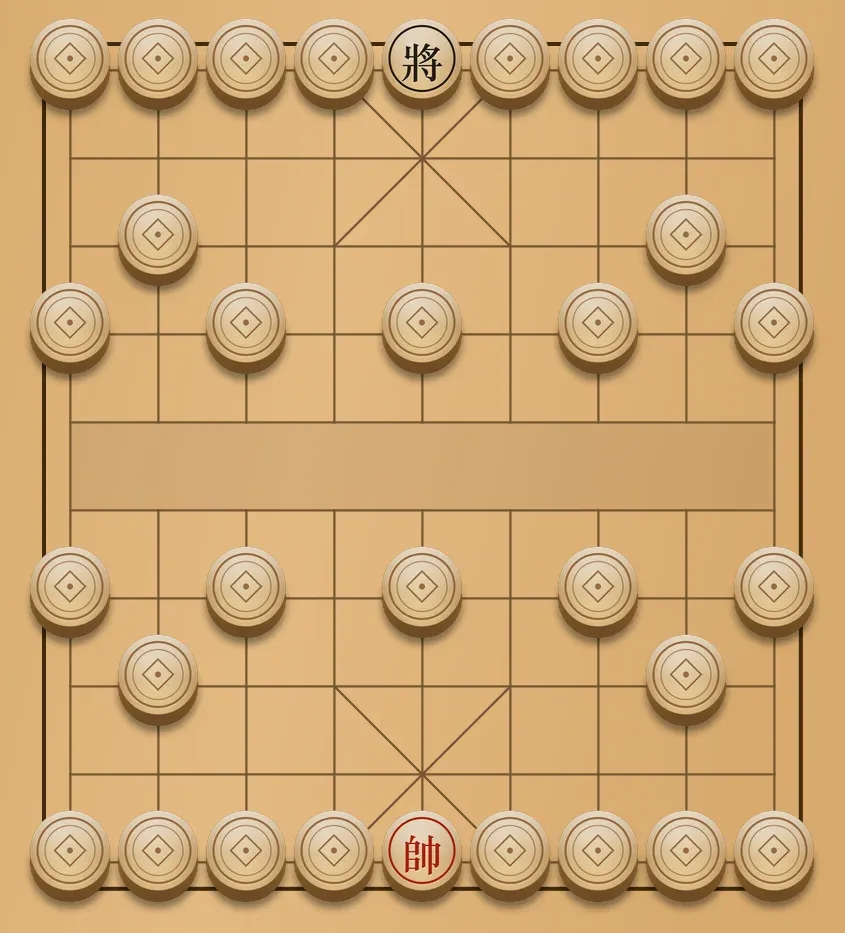
In xiangqi, Chinese chess, both players see everything. The position is on the board, and whoever calculates further wins. Cờ úp, the Vietnamese face-down variant, keeps the same board and the same pieces, then turns almost all of them over. From the first move, you decide before you know enough.
That is the game Play Metis is making.
The board at the start
Each side has 16 pieces, as in xiangqi. The two generals sit face up on their usual points. The other 30 pieces are shuffled and placed face down. You know which pieces are yours, but not what they are. Neither does your opponent.
One move, one reveal
A face-down piece moves by the rules of the point it stands on. A face-down piece on a chariot’s point moves like a chariot; one on a horse’s point moves like a horse. Once it has made its first move it flips face up, and from then on it moves as what it really is.
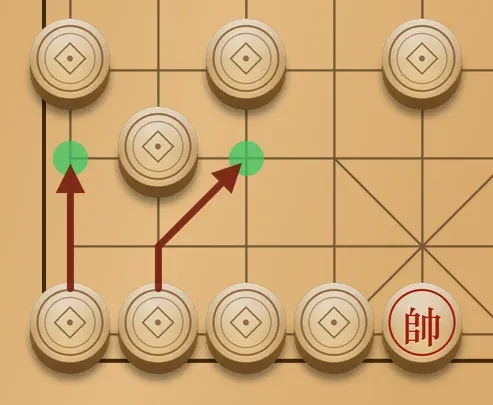
There is no flipping a piece in place. To find out what a piece is, you have to dare to move it.
What is different from xiangqi
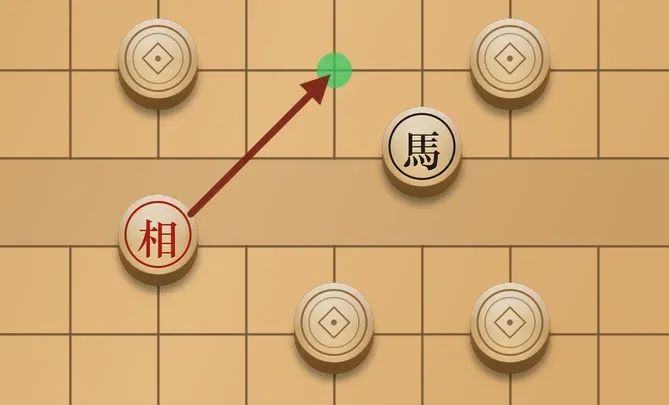
Advisors and elephants cross the river. Once revealed, an advisor is no longer confined to the palace and an elephant no longer stops at the riverbank. Two defenders become attackers.
A cannon can use a face-down piece as its screen. The screen can be face up or face down.
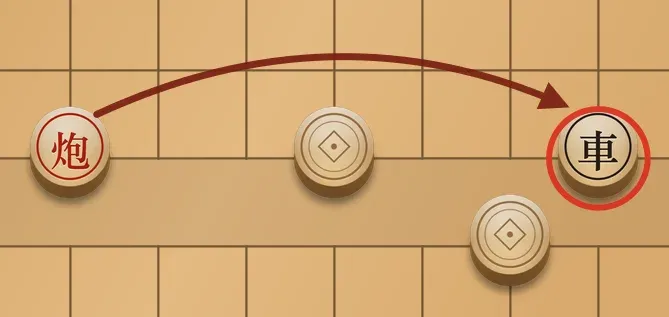
You can capture face-down pieces. You may take an opponent’s piece that has not been revealed. It leaves the board and nobody learns what it was.
Perpetual check loses. The side that checks forever, or chases one piece forever, is ruled to have lost. It is not a draw.
Why you cannot memorise it
Xiangqi has centuries of opening theory. In cờ úp every game is a new board, because the 30 pieces are shuffled from scratch. What you carry from one game to the next is a way of thinking: count what has been revealed, estimate what is still hidden, and pick your moment to take a risk.
Both of your opponent’s chariots are already face up? Then the face-down piece aimed at your general cannot be a chariot. You breathe out, and your opponent knows you just did.
What we are building
Our game brings cờ úp to phones: online, two players, about ten minutes a game. We put our effort into the moments of a game you remember: a piece tilting up and turning over, wood tapping the board, the check banner flashing across the position. You can watch a few of them on the Games page.
The game is coming to iOS and Android. Its title and release date will be announced later.